20 Trailblazers Setting The Standard In Wooden Pallets For Shipping
The Role of Wooden Pallets in Shipping: An Informative Guide
Worldwide of logistics and shipping, wooden pallets play an essential role. As a staple in the supply chain, these versatile platforms work as the foundation for carrying goods across diverse ranges and conditions. This post dives deep into the significance of wooden pallets for shipping, explores their advantages and disadvantages, offers vital care pointers, and responses regularly asked concerns (FAQs).
Understanding Wooden Pallets
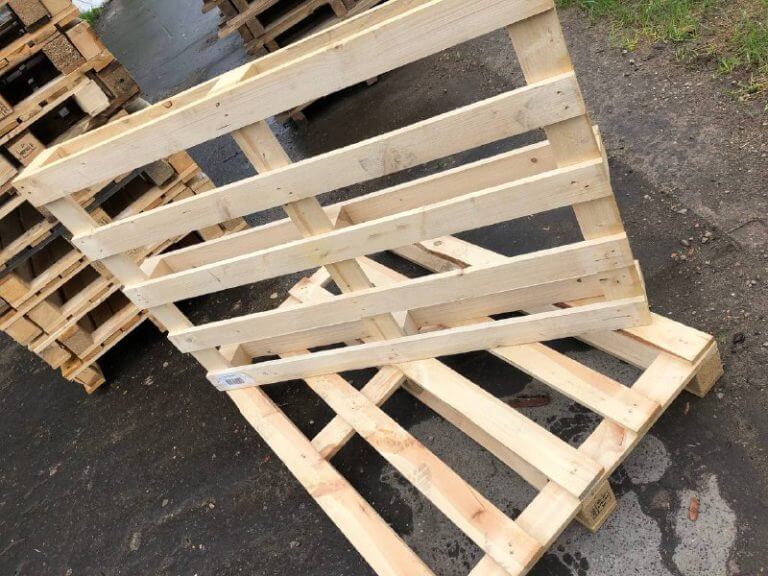
Wooden pallets are flat structures made of wood that are developed to support items throughout transportation and storage. They enable simple handling through forklifts or pallet jacks, making the motion of goods more effective. They are extensively used in various markets, including agriculture, production, and retail.
Types of Wooden Pallets
When talking about wooden pallets, it's vital to comprehend the types readily available. Below is a table summing up the typical types of wooden pallets used in shipping:
Type of Wooden Pallet
Description
Typical Uses
Block Pallets
Have both a top and bottom deck with blocks in the corners.
Heavy-duty applications, constant support.
Stringer Pallets
Utilize 3 parallel pieces of wood (stringers) in between the top and bottom decks.
Requirement shipping and storage.
Double-Face Pallets
Feature decks on both sides, permitting use on either side.
Versatile shipping, can be turned.
Customized Pallets
Created particularly for distinct items or sizes.
Specialized shipping requirements.
Advantages of Wooden Pallets for Shipping
Using wooden pallets for shipping provides numerous advantages, that include:
Cost-Effective: Wooden pallets are typically more affordable than their plastic or metal counterparts, making them an economical alternative for companies.
Sustainability: Made from eco-friendly resources, wooden pallets can be recycled, repaired, or repurposed, contributing to a circular economy.
Strength and Durability: Wooden pallets are robust and can support heavy loads, making them ideal for various shipping needs.
Ease of Use: They can be easily raised by forklifts or pallet jacks, assisting in effective packing and discharging processes.
Customizability: Wooden pallets can be tailored to fulfill particular shipping requirements, whether through size, design, or surface.
Disadvantages of Wooden Pallets for Shipping
While there are numerous benefits, wooden pallets also feature potential drawbacks:
Weight: Wooden pallets are generally heavier than plastic pallets, which can affect shipping costs and managing.
Insect and Fungi Infestation: If not treated correctly, wooden pallets can harbor pests or fungis, potentially polluting products.
Restricted Lifespan: Unlike plastic pallets, which last longer, wooden pallets may require more frequent replacements due to wear and tear.
Moisture Absorption: Wood can take in wetness, causing mold or rotting, especially in humid conditions.
Maintenance and Care Tips for Wooden Pallets
To guarantee the durability and efficiency of wooden pallets in shipping, think about the following maintenance and care tips:
Regular Inspections: Check pallets for damage, including fractures or protruding nails, and remove any that do not fulfill security standards.
Keep Dry: Store wooden pallets in a dry location to avoid wetness absorption and prospective mold development.
Usage Treated Pallets: Opt for heat-treated or chemically dealt with pallets to lower the threat of insect problems.
Stack Properly: Store pallets in a steady stack to avoid tipping and damage when not in usage.
Table: Maintenance Checklist for Wooden Pallets
Maintenance Task
Frequency
Description
Visual Inspection
Before use
Search for cracks, splinters, and loose parts.
Cleaning up
As required
Eliminate dirt, debris, and any impurities from surface areas.
Drying
After use
Ensure pallets are dry before storage, particularly after direct exposure to wetness.
Treatment Checks
Annually
Make sure pallets are dealt with for pest control and damage avoidance.
Often Asked Questions (FAQs)
1. Are wooden pallets safe for shipping food products?
Yes, wooden pallets can be safe for shipping food products if they are appropriately treated and kept. Heat-treated pallets are frequently used for food security as they lessen the risk of pest contamination.
2. For how long do wooden pallets generally last?
The lifespan of a wooden pallet can differ widely, typically ranging from a few months to a number of years depending upon usage, upkeep, and environmental conditions.
3. Can wooden pallets be recycled?
Absolutely! Wooden pallets can be recycled, repurposed, or repaired. Numerous business specialize in recycling wooden pallets, turning them into mulch, composite wood products, or new pallets.
4. What is the optimum weight a standard wooden pallet can hold?
A basic wooden pallet can typically hold between 1,500 to 2,500 pounds, though this can differ based on the style and materials used.
5. How do I choose the right pallet for my shipping needs?
Think about aspects such as load weight, type of items, shipping range, and environmental conditions. Consulting with read more shipping expert can likewise help you select the most ideal pallet.
Wooden pallets are an essential component of the shipping and logistics industry. Their cost-effectiveness, strength, and sustainability make them a favored option for many companies. By comprehending their benefits and disadvantages, as well as how to maintain them successfully, business can ensure they get the most out of their wooden pallets in shipping operations. Properly using these platforms can lead to smoother logistics, lower costs, and a more sustainable method to shipping.